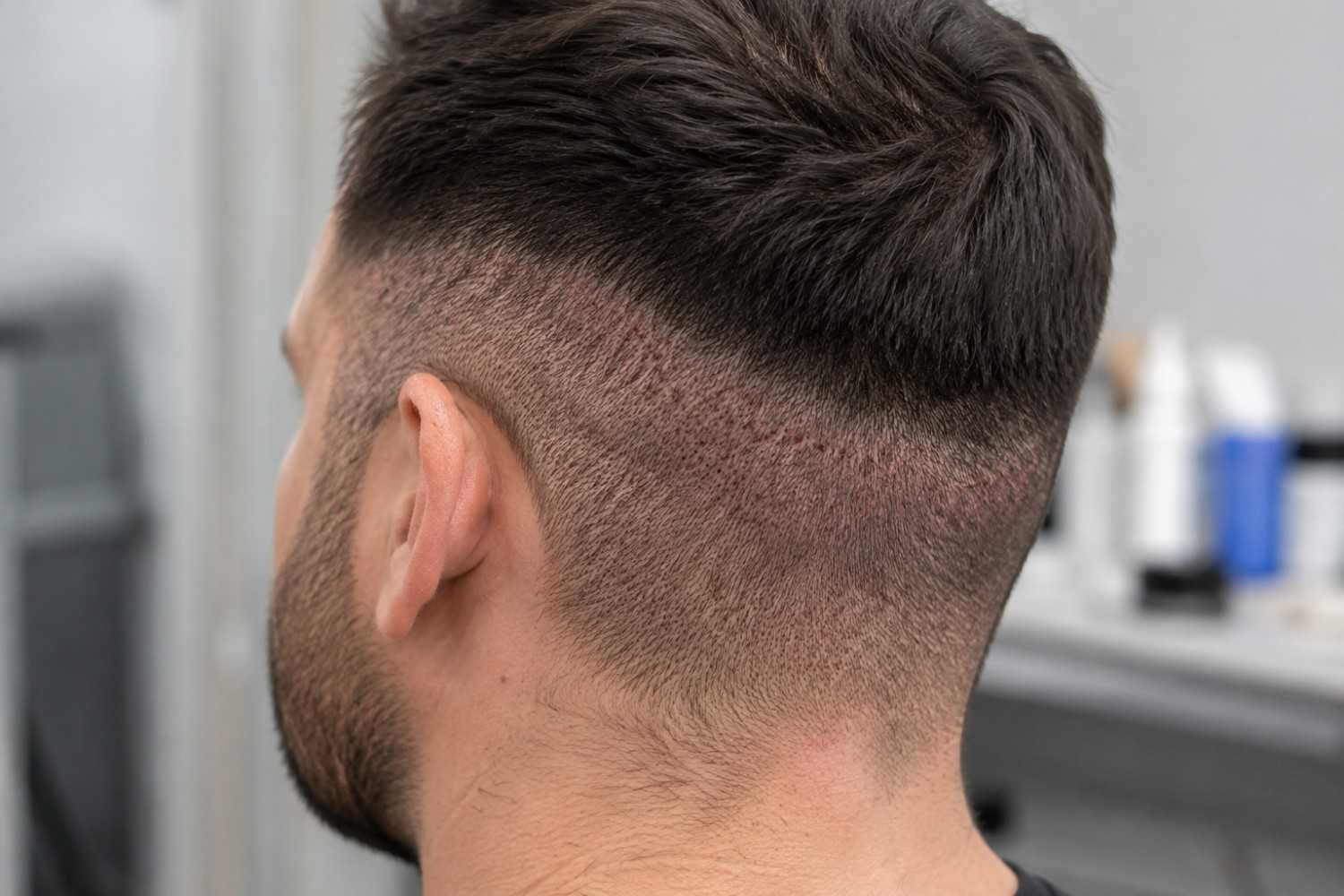
Many unshaven FUE procedure options, often called “No Shave” or “Undetectable” FUE, are widely available in New York City. This discreet method allows the surgeon to trim only the specific hairs needed for extraction instead of shaving your entire scalp.
If you are considering this treatment, Hair Transplant New York provides personalized consultations to determine whether an unshaven FUE approach matches your hair loss pattern, goals, and desired level of privacy.
What Is Unshaven FUE?
An unshaven FUE is a hair restoration method that moves healthy hair from one part of your scalp to another. Many people choose unshaven FUE procedure options because they want a natural look without shaving all of their hair. During the procedure, the surgeon trims only a small area where the hair follicles will come from. The rest of your hair stays in place and helps hide the treated area. As a result, many people feel more comfortable returning to work or other daily activities.
The procedure works by taking healthy hair follicles one at a time from the donor area. Next, the surgeon places each follicle into the areas with thinner hair. Every follicle goes into the scalp at the right angle and direction. This careful process helps the new hair blend with your natural hair. Most people like this method because it leaves their hairstyle almost the same after the procedure.
Why It Is Also Called No Shave FUE
Many people call this treatment No Shave FUE because the surgeon does not shave your whole head. Instead, only a few hairs get trimmed so the surgeon can remove healthy follicles. Your remaining hair hides the small trimmed area. For this reason, many people also call it an undetectable option because it is harder for others to notice that you had the procedure.
Is Unshaven FUE Hair Transplant Available in New York?
Yes, many clinics across New York offer this treatment. Many people choose unshaven FUE procedure options because they want to keep their current hairstyle during the process. These clinics use modern FUE tools to remove and place healthy hair follicles with care. As a result, many patients enjoy natural looking results with less change to their appearance.
Many people looking for a FUE hair transplant in New York can find clinics that use advanced methods and modern equipment. Skilled surgeons take time to plan each procedure based on the patient’s needs. They also work carefully to place each hair follicle in the right spot. This helps create a hairline that looks full and natural.
A personal consultation is an important first step before treatment. During the visit, the surgeon checks your hair, scalp, and donor area. They also ask about your health, hair loss, and goals. Then they explain what you can expect from the procedure.
Each treatment plan is made for the individual patient. Some people need only a small number of grafts, while others need more. The surgeon chooses the best approach based on your hair type, hair loss, and desired results. This careful planning helps you get a natural look that fits your needs.
How Does an Unshaven FUE Procedure Work?
Initial Consultation
Your visit starts with a full check of your hair and scalp. Many people choose unshaven FUE procedure options because they want a treatment that keeps most of their hair the same. The surgeon looks at your hair loss, checks the donor area, and asks about your medical history. They also talk with you about your goals and answer your questions. This step helps the surgeon create a treatment plan that fits your needs.
- Hair Analysis: The surgeon checks your hair thickness, growth, and hair loss pattern.
- Donor Area Evaluation: The surgeon makes sure the donor area has enough healthy hair follicles.
- Medical History: You share your health history and any medicines you take.
- Goal Setting: You and the surgeon discuss the look you want to achieve.
Donor Hair Extraction
The surgeon trims only a small hidden area before removing healthy hair follicles one at a time. They use special tools that help protect the nearby hair and scalp. Each follicle is removed with care to keep it healthy for placement. This careful process helps lower damage and supports good healing after the procedure.
- Small Trimmed Donor Area: Only a small part of the donor area is trimmed.
- Individual Follicle Extraction: The surgeon removes each healthy follicle one by one.
- Precision Instruments: Small tools help make each step safe and accurate.
- Protecting Surrounding Hair: The surgeon works carefully to avoid harming nearby hair.
Follicle Implantation
The surgeon places each healthy follicle into the thinning area with care. They follow the natural angle and direction of your hair so it looks real after it grows. They also plan the right spacing to create even hair density. This careful placement helps the new hair blend well with your existing hair and gives a natural looking result.
- Hairline Design: The surgeon creates a hairline that matches your face.
- Natural Angle Placement: Each follicle is placed in the same direction as your natural hair.
- Density Planning: The surgeon spaces the follicles to create full and even coverage.
- Blending With Existing Hair: The new hair mixes naturally with your current hair.
Why Choosing an Experienced Hair Restoration Team Matters
A skilled hair restoration team helps you get safe and natural looking results. Many people choose unshaven FUE procedure options because they want to keep most of their hair during treatment. An experienced team plans each step with care and works to give you the best outcome for your needs.
Specialized Training
Training helps a surgeon perform each step with care and accuracy. Dr. Lawrence Barnard has experience in hair restoration and understands how to treat many types of hair loss. He studies your hair, scalp, and goals before creating a treatment plan. This careful approach helps improve your final results.
Modern FUE Technology
Modern tools help the team remove and place hair follicles with great care. Rhonda Daniels, PA-C has experience with advanced FUE systems that support precise treatment. These tools help protect healthy follicles, reduce damage to nearby hair, and support a smoother healing process.
Natural Hairline Design
A natural hairline should match your face and the way your hair grows. The team places each follicle at the correct angle and spacing to create a full and even look. Many patients prefer unshaven FUE procedure options because this method helps keep their hairstyle while the new hair blends with their existing hair.
Patient Comfort and Safe Procedure
Your comfort and safety matter during every visit. Marcelo Acosta, PA-C works with the team to provide careful care before, during, and after the procedure. The team follows safe steps, explains each part of the treatment, and answers your questions so you can feel calm and confident.
Long Term Results
Long lasting results begin with careful planning and skilled work. The team also gives you easy aftercare instructions to help your new hair grow well. Regular follow up visits and proper care help you enjoy healthy and natural looking hair for many years.
Who Is a Good Candidate for Unshaven FUE?
Men
Many men are good candidates for this treatment if they have enough healthy donor hair. Male pattern baldness is one of the most common reasons men choose this procedure. Many also prefer unshaven FUE procedure options because they can keep their current hairstyle while getting treatment.
Women
Many women can also benefit from this procedure if they have thinning hair and a healthy donor area. Hair loss in women can happen for many reasons, and the right treatment depends on the cause. This method helps many women because it does not require shaving the whole head.
Early Hair Loss
People with early hair loss often get the best results because they still have many healthy hair follicles. A surgeon will check the hair loss causes before creating a treatment plan. This step helps make sure the procedure is the right choice for you.
Small to Medium Graft Sessions
This method works best for people who need a small or medium number of grafts. The surgeon removes healthy follicles one at a time while keeping most of your hair in place. Many people choose unshaven FUE procedure options because they want a more private treatment with little change to their hairstyle.
Good Donor Density
A healthy donor area is very important for good results. The surgeon checks the back and sides of your scalp to make sure there are enough strong hair follicles. Healthy donor hair gives the best chance for natural looking growth after the procedure.
Healthy Scalp
Your scalp should be healthy before treatment begins. The surgeon checks for skin problems, infections, or other issues that could slow healing. A healthy scalp helps the new hair follicles grow well after the procedure.
Realistic Expectations
Good candidates understand what this procedure can and cannot do. The surgeon explains the results you can expect based on your hair loss and donor hair. Clear goals and good planning help you feel happy with your final results.
Recovery Timeline After Unshaven FUE
Healing takes time, but most people recover well when they follow their surgeon’s instructions. Many people like unshaven FUE procedure options because they can keep most of their hair while the scalp heals. Each stage of recovery is important, so it helps to know what to expect.
Days 1 to 3
- Washing Instructions: Wait until your surgeon says it is safe to wash your hair. Use only the products they recommend.
- Healing: Your scalp may feel sore or tight. Small scabs may also appear around the treated areas.
- Swelling: Some people notice mild swelling on the forehead or scalp. This usually gets better in a few days.
- Rest: Sleep with your head raised to help reduce swelling and protect the treated area.
Week 1
- Gentle Washing: Wash your hair with care and avoid rubbing the scalp.
- Healing Progress: Most small scabs begin to fall off during this week.
- Daily Activities: Many people return to work if their job does not require heavy lifting.
- Follow Up Visit: Your surgeon checks your scalp and makes sure it is healing well.
Weeks 2 to 4
- Temporary Shedding: Some of the transplanted hairs may fall out. This is normal and part of the healing process.
- Scalp Recovery: The redness and soreness continue to improve.
- Hair Care: You can slowly return to your normal hair care routine if your surgeon approves.
- Patience: New hair has not started growing yet, so it is important to give your scalp time to heal.
Months 3 to 12
- Hair Growth Stages: New hair usually starts to grow after a few months and becomes thicker over time.
- Natural Results: The new hair blends with your existing hair as it grows.
- Follow Up Visits: Your surgeon checks your progress and answers any questions.
- Long Term Care: Follow your aftercare plan to help keep your new hair healthy and strong.
Looking for a More Discreet Hair Restoration Option?
If you want natural-looking results without shaving your entire head, schedule a consultation with Hair Transplant New York. Our experienced FUE specialists will provide a personalized assessment to determine if an unshaven FUE procedure is the right choice for your hair restoration goals.
FAQs
Is an unshaven FUE procedure as effective as a traditional FUE?
Yes. Both methods use the same FUE technique to move healthy hair follicles. The main difference is that an unshaven FUE keeps most of your hair in place instead of shaving your entire head.
Who is a good candidate for unshaven FUE procedure options?
Most people with healthy donor hair and mild to moderate hair loss may qualify. Your surgeon will examine your scalp and discuss your goals before deciding if unshaven FUE procedure options are right for you.
How long does it take to recover after an unshaven FUE procedure?
Most people return to normal daily activities within a few days. Your scalp may need several weeks to heal, while new hair usually begins to grow after a few months.
Will people notice that I had the procedure?
In many cases, no. Because only a small donor area is trimmed, your existing hair can cover the treated area. This makes the procedure more private than a fully shaved FUE.
Does an unshaven FUE procedure leave scars?
FUE creates tiny marks where the follicles are removed. These marks are very small and often become hard to see after the scalp heals, especially when your hair grows back.