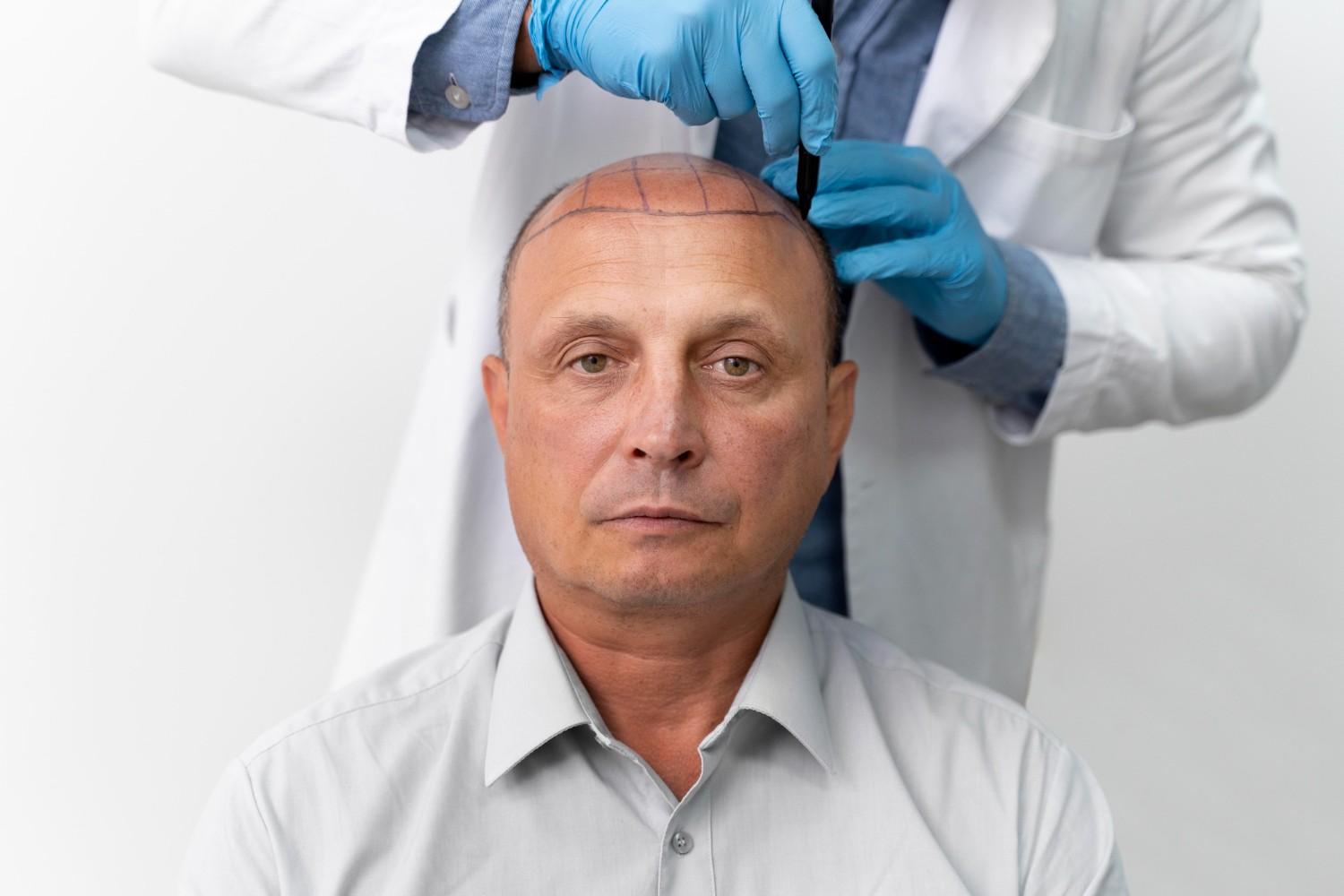
Crown and temple restorations, including New York crown restoration procedures, require highly specialized techniques to address the unique hair angulation of the temples and the radial swirl pattern of the crown. New York City features highly skilled board-certified surgeons who perform these exact procedures, with costs typically ranging from $6,000 to $15,000+ depending on the graft count.
At Hair Transplant New York, clients receive personalized treatment plans designed to restore natural density and hair growth patterns in the crown and temple areas. Our experienced team focuses on precise graft placement and artistic restoration techniques to achieve natural-looking, long-lasting results.
Why Crown and Temple Restoration Requires Specialized Expertise
Temple Restoration Challenges
The temple area sits on the sides of your forehead. Hair in this spot grows at a unique angle, so doctors must place each graft with care. A successful New York crown restoration plan often includes temple work because both areas need to blend with your natural hair.
Crown Restoration Challenges
The crown is the area near the back of the head. Hair here grows in a swirl pattern, which can make treatment more challenging. Doctors study this pattern and place grafts carefully to create even coverage and a natural look.
Planning For Long-Term Results
Hair loss can continue over time, so doctors plan for future changes before treatment begins. This approach helps create results that look natural and last for many years.
Understanding Hair Loss in the Crown and Temple Areas
Common Causes of Temple Hair Loss
Hair can become thinner near the temples for many reasons. Some causes are linked to family traits, while others happen as the body changes with age.
- Genetics: Hair loss can run in families. Many hair loss causes start with genes passed down from parents.
- Aging: Hair may become thinner as people get older. The body can slow down hair growth over time.
- Hormonal Changes: Changes in hormone levels can affect how hair grows. This change may cause thinning around the temples.
Common Causes of Crown Thinning
The crown is the area near the back of the head. Hair in this spot may become thinner slowly, and the change can be easy to miss at first.
- Male pattern baldness: Male pattern baldness is a common condition often starts with a thinning crown or a receding hairline. The hair may continue to thin over time.
- Progressive Hair Loss: Some people lose hair little by little over many years. The crown may start to look less full.
- Family History: People with relatives who have hair loss may have a higher chance of crown thinning. Many individuals choose New York crown restoration when they want to improve coverage in this area.
Are You a Candidate for Crown and Temple Hair Restoration?
Receding Temples
You may be a good candidate if the hair near your temples starts to move back. This change can make your forehead look larger and affect the shape of your hairline. In many cases, treatment can help restore a more balanced look.
Visible Crown Thinning
Some people notice that the hair on the crown becomes thin and easy to see through. The scalp may become more visible, especially under bright light. Because of this, many people look for ways to improve hair coverage in this area.
Loss of Hair Density
Hair density refers to how full your hair looks. If your hair feels thinner than before or you notice more scalp showing, you may benefit from treatment. A consultation can help you learn about your options.
Donor Hair Supply
Doctors check the donor area to see if it has enough healthy hair for treatment. This hair often comes from the back or sides of the head. A strong donor area can help support better results.
Hair Type And Thickness
Doctors also look at your hair type, color, and thickness. These details help them create a treatment plan that fits your needs. Different hair types can affect the final appearance of the restored area.
Treatment Goals
Every person has different goals for their hair. Some people want to fill in the temples, while others want to add more coverage to the crown. Many people choose New York crown restoration to improve hair density and create a fuller appearance.
Hair Transplant Techniques Used for Crown and Temple Restoration
Follicular Unit Extraction (FUE)
FUE is a method where the doctor removes hair follicles one at a time from the donor area. This process leaves very small marks that are often hard to see after healing. Doctors also use this method to shape the temple area with care because they can place each graft at the right angle. Many people choose a FUE hair transplant in New York because it can provide natural-looking results with minimal visible scarring.
Follicular Unit Transplantation (FUT)
FUT allows doctors to collect a larger number of grafts during one procedure. This method may work well for people with more hair loss in the crown area because it can provide more grafts for coverage. Doctors review the benefits and considerations of FUT before treatment to make sure it matches the patient’s needs. Some patients select a FUT hair transplant in New York when they need extensive restoration in larger areas.
Customized Treatment Planning
Every person has different hair loss patterns, so doctors create a treatment plan based on individual needs. They look at the donor area, hair type, and treatment goals before choosing the best method. In some cases, doctors may combine techniques to improve coverage and create a natural appearance. Many people seek New York crown restoration to restore hair density while keeping a balanced and natural look.
How Many Grafts Are Needed for Crown and Temple Restoration?
Graft Estimates for Temple Restoration
The number of grafts needed for the temples depends on how much hair loss you have. Some people need only a few hundred grafts, while others may need more to rebuild the hairline. Doctors check the area carefully before creating a treatment plan.
Graft Estimates for Crown Restoration
The crown often needs more grafts because it covers a larger area. Hair in the crown also grows in a swirl pattern, which requires careful placement. Many people seeking New York crown restoration need enough grafts to create natural-looking coverage and density.
Factors That Influence Graft Requirements
Several factors help doctors decide how many grafts you may need for treatment.
- Hair Density Goals: People who want fuller coverage may need more grafts. Doctors work to create a natural look that matches your goals.
- Hair Characteristics: Hair thickness, texture, and color can affect how much coverage the grafts provide. Thicker hair may create a fuller appearance with fewer grafts.
- Extent Of Hair Loss: Larger areas of hair loss usually need more grafts. Doctors measure the size of the thinning area before making recommendations.
Why Choose Us for Crown and Temple Restoration?
Experienced Hair Restoration Team
Our team has years of experience helping people restore hair in the crown and temple areas. Dr. Lawrence Barnard has performed many hair restoration procedures and focuses on creating natural-looking results. In addition, Rhonda Daniels, PA-C brings advanced training and hands-on experience in modern hair restoration techniques.
Advanced FUE Techniques
We use advanced tools and methods to place grafts with care and precision. This approach helps protect healthy hair and supports natural growth. Many people choose New York crown restoration because modern FUE techniques can provide natural coverage with minimal signs of treatment.
Personalized Treatment Plans
Every person has different hair loss patterns and goals. We take time to evaluate your hair, donor area, and treatment needs before creating a plan. This process helps us recommend the right solution for each patient.
Natural-Looking Results Focus
Our team focuses on hair angle, direction, and density to create results that blend with your existing hair. We carefully place each graft to help the restored area look natural. As a result, patients can enjoy a fuller appearance with balanced coverage.
Convenient Manhattan Location
Our Manhattan office makes it easy for patients throughout New York City to access expert care. Marcelo Acosta, PA-C brings more than 20 years of clinical experience and is committed to providing high-quality hair restoration services. Patients can visit our location for consultations, treatment, and follow-up care.
Ready To Restore Your Crown And Temples?
If you are thinking about New York crown restoration, the team at Hair Transplants New York is here to help. We create personalized treatment plans to restore natural-looking hair growth and improve confidence. Contact us today to schedule your consultation and learn about your hair restoration options.
FAQs
How many grafts do I need for crown and temple restoration?
The number of grafts depends on the size of the treatment area and your hair goals. Your doctor will examine your hair and recommend the right number of grafts during your consultation.
Why is the crown area harder to restore?
The crown has a natural swirl pattern that requires careful planning and graft placement. Doctors must match the direction of your existing hair to create natural-looking results.
Can crown and temple areas be treated at the same time?
Yes. Many people choose to restore both areas during the same procedure. This approach can help create a balanced and natural appearance.
How long does it take to see results?
Most people notice new hair growth within a few months. Full results often appear within 12 to 18 months as the transplanted hair continues to grow and mature.
Will my restored hair look natural?
Yes. Experienced hair restoration professionals place each graft carefully to match your natural hair direction, angle, and density. This process helps the restored hair blend with your existing hair.