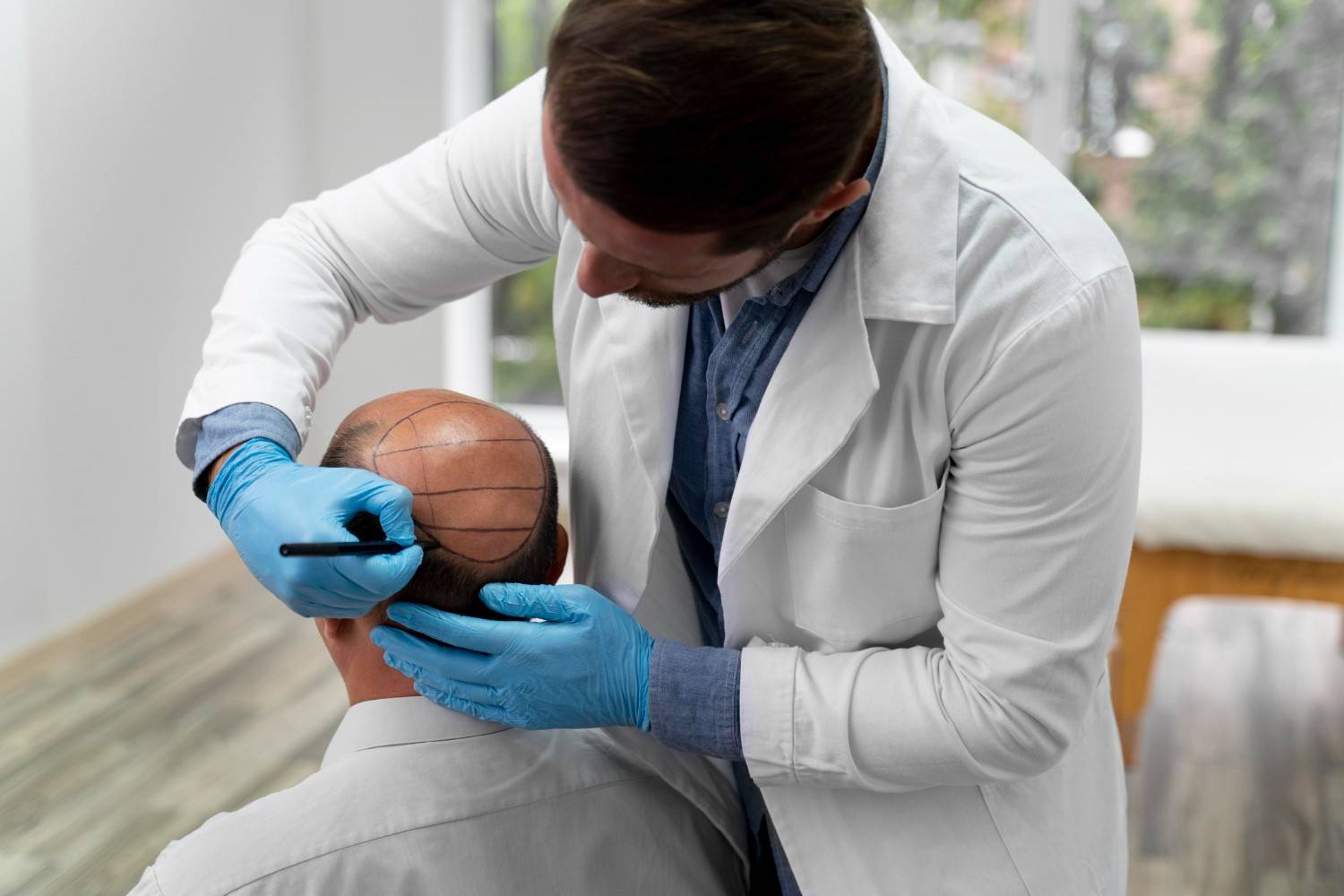
Hair transplant surgeons in New York help many people who want thicker and fuller hair. These surgeons use modern and safe methods to move hair from one area to another. This process can improve the look of thin spots and boost confidence. People in New York often choose this treatment because they want natural results that blend with their own hair. Many clients also look for surgeons who are trained, experienced, and focused on client care. This helps them feel safe from the first visit to the follow-up stage.
In New York, many people compare different clinics before they choose a surgeon. This is why they look at training, results, and client reviews from trusted clinics. Hair Transplant New York also provides helpful information for clients who want to learn more about this treatment. Clients often read guides, watch videos, and look at real photos before making a decision. These simple steps help them understand what to expect, how the process works, and how to plan for the best results.
Why Clients Compare Hair Transplant Surgeons in New York
High Demand
Hair transplant surgeons in New York receive many inquiries each month. Many clients want thicker and fuller hair, and they search for safe and reliable care. Hair restoration has become common in New York because many people want to improve their look and self-confidence. Clients also value natural results that blend with their own hair. As a result, more people search for skilled surgeons who perform FUE and FUT hair transplant procedures with care.
Client Goals
Clients compare clinics because they want honest guidance and clear expectations. Some clients want a fuller hairline, while others want to fill thin areas. These different goals lead clients to check reviews, photos, and results. Clients also read about transplant surgeons with highest success rates to feel more confident before the first visit. Many clients also compare clinic support, comfort, and communication throughout the process.
Clinic Competition
New York has many clinics that offer hair restoration services. This creates strong competition among hair transplant surgeons in New York. Each clinic tries to offer better tools, better care, and better experiences. This gives clients more choices, but it also makes research important. Clients compare training, location, follow-up care, and results. They also ask questions during visits to make sure they choose a clinic that meets their needs.
Key Factors That Define a Successful Surgeon
Strong Training
Hair transplant surgeons in New York improve their skills through proper medical training and guided practice. Successful surgeons study hair growth, skin health, and graft care. They learn how to plan treatment in a safe and clear way. Many surgeons also join medical groups to learn new methods and tools. This training gives clients confidence during their visits and procedures.
Technical Skills
Clients respect hair transplant surgeons in New York who have steady hands and careful focus. Skilled surgeons know how to perform FUE hair transplant and FUT procedures with clean and gentle movements. They work hard to protect each graft so it can grow well after placement. These skills help surgeons reduce damage, improve comfort, and support natural growth over time.
Artistic Planning
A good surgeon plans the hairline with care and artistic detail. The surgeon studies the shape of the head, the direction of the hair, and the density that looks natural. This planning helps clients enjoy a result that matches their own features. Surgeons who create soft and natural hairlines often earn strong client feedback.
Graft Survival
Clients also look at transplant surgeons with highest success rates because graft survival matters. Successful surgeons know how to handle, store, and place grafts so they stay healthy. They follow clean and safe steps in the procedure room. Healthy graft survival helps the hair grow well and blend with the rest of the scalp.
Client Support
A successful surgeon provides guidance before and after surgery. Clients ask questions, and the surgeon gives clear answers. After the procedure, the surgeon explains how to wash, protect, and care for the scalp. Proper follow-up reduces stress and supports good healing. Many clients value surgeons who stay involved from the first visit to final check-ups.
Understanding Success Rates and Client Satisfaction
Clinical Results
Hair transplant surgeons in New York focus on strong clinical results during each procedure. Clinical success means the grafts grow and blend with the rest of the hair. It also means the doctor protects the scalp and reduces stress during treatment. Surgeons who work with care often see healthy growth in thin areas caused by hair loss causes such as age or genetics. These results matter because they show that the procedure worked as planned.
Client Experience
Success is not only about graft growth. It is also about how clients feel before and after surgery. Clients want comfort, clear instructions, and support during healing. Many clients value surgeons who answer questions and explain each step. This attention helps clients feel heard and respected. When surgeons offer simple post-op instructions, clients feel confident at home while they recover.
Measurement Methods
Clinics measure success in many ways. They look at growth after several months and check if the new hair blends with the old hair. Clinics also count how many grafts survived and how the hairline looks. Some clinics review photos and videos to compare changes over time. Clients often study these records to learn more about transplant surgeons with highest success rates, especially in busy cities where many clinics compete.
Reviews and Feedback
Online reviews help clients compare options in a simple way. Many people read testimonials on clinic websites and review platforms. These reviews often talk about the results, the staff, and the level of comfort during care. Clients also watch videos to see real changes and hear honest opinions. When hair transplant surgeons in New York receive positive reviews, it often shows that both clinical results and client experiences were strong.
Hair Transplant Surgeons in New York With Strong Results
Rhonda Daniels, PA-C
Hair transplant surgeons in New York often come from strong medical backgrounds, and Rhonda Daniels, PA-C is one example of this path. She is a board-certified physician assistant who focuses on FUE hair restoration. Performs many systems such as ARTAS, Ellis, WAW, ATERA, MAMBA, SAFE, and Cole FUE systems.
She oversees consults, surgeries, and post-op care for many clients. She also trains other clinicians in FUE methods and client support. Serves Great Neck, Long Island, and Manhattan areas. Clients value her careful, strategic, and honest style, especially during planning and follow-up stages.
Dr. Lawrence Barnard
Dr. Lawrence Barnard is a board-certified hair restoration physician who has extensive training and clinical exposure. He has performed over one thousand FUT and FUE surgeries. He has experience with hybrid methods as well. Dr. Barnard directs residency training at Southampton Hospital and works with new clinicians.
He has also worked at MAXIM NYC and Great Neck during his career. He stays involved in care before, during, and after each procedure. Earned multiple awards and recognition in his field. Clients appreciate his clear communication and careful attention during each stage of care.
Marcelo Acosta, PA-C
Marcelo Acosta, PA-C has more than twenty years of clinical experience. He also has over ten years of experience in ambulatory surgery settings. He trained in hair transplantation and aesthetic medicine through guided programs and clinical work.
Serves clients in New York City and Long Island. Known for his strong focus on client comfort and safety. He holds national certifications such as ACLS and BCLS. He uses his long clinical background to support clients from the consultation stage to the follow-up stage.
Common Techniques Used by Hair Transplant Surgeons in New York
SMP Treatment
Some clinics offer Scalp Micropigmentation, also called SMP. This is not a surgical procedure. The technician uses small dots of pigment to fill thin areas. This dot pattern creates the look of short and dense hair. Clients choose SMP when they want a thicker look without surgery. SMP can also blend with grafts from FUT and FUE.
PRP Therapy
Platelet-Rich Plasma, or PRP, is another service found in clinics. In this approach, the clinician draws a small amount of the client’s blood. The blood then goes through a simple process to concentrate the platelets. The clinician places the PRP into the scalp to support healing and comfort. Some clients use PRP with FUT or FUE for added support during recovery.
Facial Hair
Hair transplant surgeons in New York also work on facial areas. Some clients want thicker beards, mustaches, or eyebrows. The surgeon takes fine grafts and places them in small facial areas. This helps create fuller lines or fill small gaps. Facial hair transplants use many of the same steps found in FUE or FUT methods.
Female Care
Female hair restoration is another service that clinics provide. Many women deal with thinning hair near the top of the scalp. Surgeons study the pattern and plan gentle placement. Women often choose this care when they want better coverage and more styling freedom. This option can help with thin areas caused by genetics, stress, or other factors.
Non-Surgical Options
Some clients do not want surgery. Clinics offer non-surgical care for these clients. These options may include hair systems, topical products, or other cosmetic tools. Non-surgical care can help improve density or blend thin spots. Clients often use these tools when they want a simple and fast plan without recovery time.
Success Rates vs. Satisfaction: Are They the Same?
Technical Results
Hair transplant surgeons in New York measure technical success by checking graft growth and scalp healing. When the grafts grow well and blend with nearby hair, the procedure is seen as successful. Clinical teams also look at density, direction, and coverage.
They study how the hairline follows natural patterns. These technical steps matter because they help clients see real change in thin areas caused by hair loss causes such as genetics or stress.
Client Feelings
Technical success does not always match client satisfaction. Clients also care about comfort, confidence, and how they feel when they look in the mirror. Satisfaction depends on the final style, the shape of the hairline, and the fullness they expected.
When results match expectations, clients often report high satisfaction even if only small changes were made. Many clients compare transplant surgeons with highest success rates because they want both strong results and positive feelings after surgery.
Expectations and Design
Client expectations play a major role in satisfaction. Some clients want a sharp hairline, while others want soft and mature shapes. Surgeons review photos, hair patterns, and density goals before placing any grafts.
This planning helps reduce confusion during recovery. When both sides agree on goals, the final look often meets the plan that was discussed during the consultation stage.
Long-Term View
Satisfaction can change over time. Some clients feel pleased after a few months, but others wait a full year to give feedback. This is because grafts need time to grow and blend with natural hair.
Surgeons also check density and texture during follow-up visits. Clients who want detailed guidance can schedule a consultation to learn about healing times and expected changes during the first year.
FAQs
1. How do I choose hair transplant surgeons in New York?
You can compare surgeon training, client reviews, before and after photos, and clinic experience. You can also schedule a consultation to ask questions and learn about the process.
2. Do success rates vary among different clinics?
Yes, success rates can vary based on surgeon skills, tools, and client follow-up care. Many clients check transplant surgeons with highest success rates before they decide on treatment.
3. How long does it take to see visible results?
Most clients start to see growth in three to four months. Full results may take up to one year because grafts need time to grow and blend.
4. Can female clients get hair restoration procedures?
Yes, women can get treatment for thinning hair or patch areas. Surgeons study patterns and choose gentle methods based on the needs of each client.
5. What causes hair loss in men and women?
Hair loss causes can include genetics, stress, hormones, or medical issues. A surgeon can review your scalp and help you understand your options.