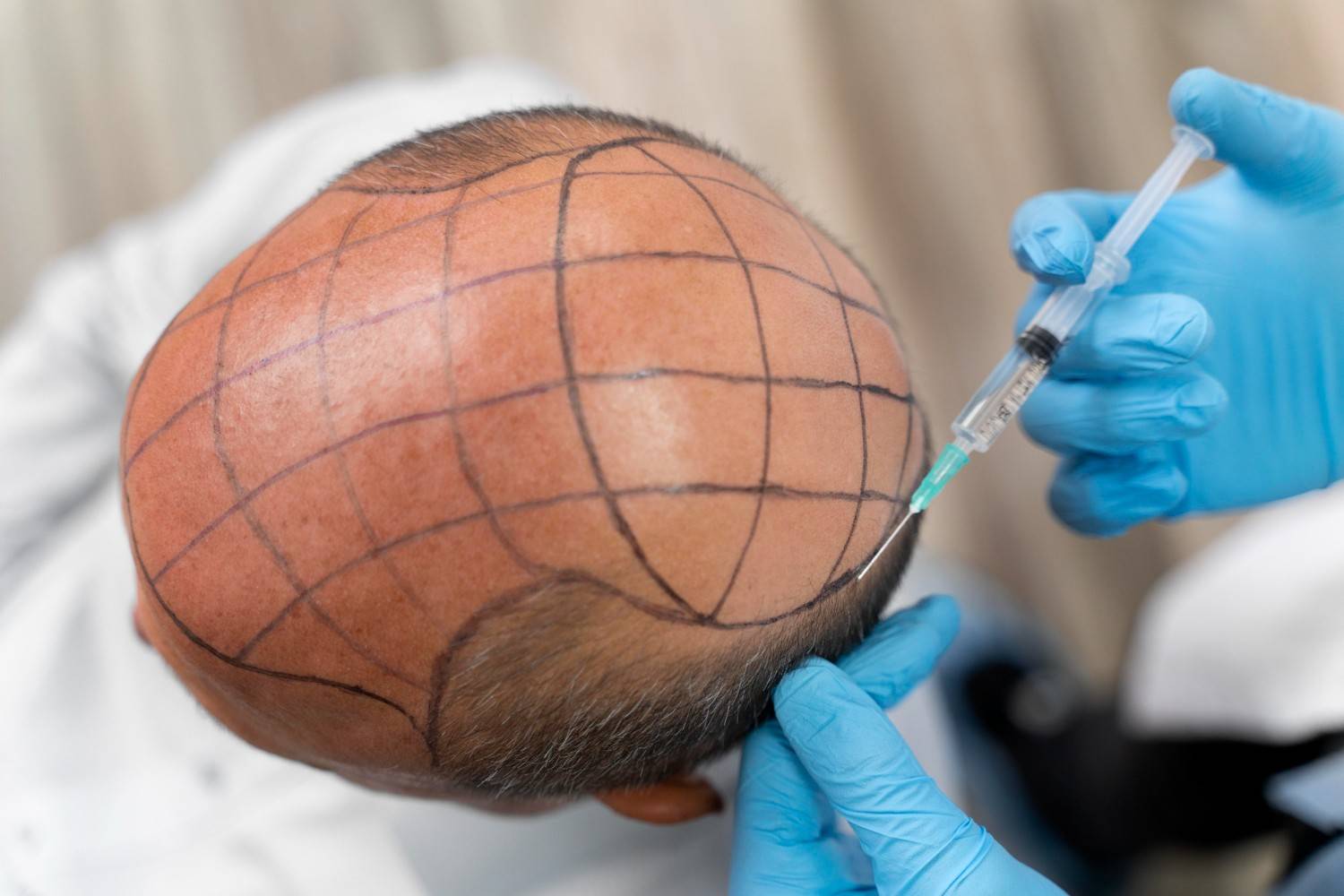
Recovery after a hair transplant follows the hair transplant recovery timeline in New York, usually involving 7–10 days of visible healing, with mild swelling, redness, and scabbing appearing during the first few days.
Patients seeking guidance during recovery can consult specialists at Hair Transplant New York. The clinic helps patients understand healing stages, proper aftercare, and realistic expectations, providing support throughout the recovery journey so individuals feel confident and informed after their procedure.
Understanding The Hair Transplant Recovery Timeline New York
How Healing Starts After A Hair Transplant?
A hair transplant moves tiny hair roots called grafts from one part of the head to another. Doctors place these grafts into small spots in the scalp. Soon after the procedure, the body starts healing. The hair transplant recovery timeline in New York shows how this healing happens step by step as the scalp repairs itself.
How Hair Grafts Settle Into The Scalp?
Each graft needs time to stay firmly in the scalp. First, the skin forms tiny scabs around the grafts. This helps protect them. Next, the scalp slowly heals around each root. As a result, the grafts stay safe and begin their normal growth cycle under the skin.
Why Recovery Happens In Stages?
Healing does not happen all at once. Instead, the body heals little by little. Doctors often explain this process using the hair transplant recovery timeline. First comes early healing. Then shedding may happen. Later, new hair begins to grow. This step-by-step process helps the scalp recover safely.
Why Does Hair Loss Happens In The First Place?
Many people get a hair transplant because of hair loss causes such as genetics, aging, stress, or hormone changes. A transplant moves healthy hair roots to areas with less hair. Once healing finishes, these roots can grow hair again in the new place.
Immediate Healing After Surgery
Right after the procedure, the scalp begins to heal. The body starts fixing the tiny spots where the doctor placed the hair grafts. This early period is an important part of the hair transplant recovery timeline in New York, because the grafts need care and protection.
- Mild swelling: Small swelling may appear on the forehead or scalp. This is normal. The body sends fluid to help the skin heal.
- Redness: The skin around the grafts may look pink or red. This happens because blood flows to the area to help repair the skin.
- Scalp tenderness: The scalp may feel sore or tight. This feeling is common after surgery. It slowly improves as the skin heals.
- Resting after surgery: Patients should rest and keep their head raised. Rest helps the body heal and keeps the grafts safe.
Good aftercare helps protect the grafts while they settle in the scalp. Careful healing during this stage supports healthy hair growth later.
Hair Transplant Recovery Timeline New York During Days 1 To 3
Early Healing In The First Few Days
The first three days are an important part of healing. Doctors often explain this period as part of the hair transplant recovery timeline in New York, because the scalp begins to repair itself right away. During these early hair transplant recovery stages, the body works to protect the new grafts and help the skin heal.
Common Feelings During Days 1 To 3
- Swelling around the scalp: Swelling may start soon after surgery. It often becomes stronger by day three. The body sends fluid to help the skin heal.
- Mild discomfort: Some patients feel light pain or soreness. This feeling is normal after the procedure. Doctors may give medicine to help control the discomfort.
- Tight feeling on the scalp: The scalp may feel tight or stretched. This happens because the skin adjusts around the new grafts. The feeling slowly improves as healing continues.
- Numbness in the donor area: The donor area may feel numb for a short time. Nerves need time to recover after surgery. Sensation usually returns little by little.
Medicine Can Help Manage Discomfort
Doctors may provide medication to reduce pain and swelling. These medicines help patients feel more comfortable while the scalp heals. Proper care during this time helps protect the grafts and supports healthy recovery.
Days 4 To 7 Scabbing And Early Healing
The Scalp Starts To Heal
During days four to seven, the scalp continues to heal. Doctors often explain this period as part of the hair transplant recovery timeline in New York. The body protects the new grafts while the skin slowly repairs itself. These early changes happen during the next hair transplant recovery stages.
Small Scabs Form Around The Grafts
Tiny scabs form around each graft. The scabs act like small shields that protect the healing skin. As the scalp repairs itself, these scabs slowly dry and fall away.
Mild Itching May Appear
The scalp may feel itchy during this stage. Itching happens because the skin is healing. Many patients notice this feeling as the small scabs begin to form.
Avoid Scratching The Scalp
Patients should not scratch or pick the scabs. Scratching may pull out the grafts before they settle in place. Keeping hands away from the scalp helps protect the new hair roots.
Early Healing Of The Scalp
The scalp becomes stronger each day. Blood flow helps the skin repair itself and support the grafts. Careful healing helps the hair roots stay safe in their new area.
Why Is Protecting Grafts Important?
New grafts are still delicate during this stage. Gentle care helps them stay in place. Many hair specialists, including Marcelo Acosta, PA-C, remind patients to follow aftercare steps so the grafts can grow healthy hair later.
Days 7 To 14 Healing Progress
The Scalp Heals More In Week Two
The second week brings clear healing. Many patients notice changes in comfort and appearance. Doctors often explain this stage as part of the hair transplant recovery timeline in New York, because the scalp becomes stronger and the grafts settle more safely.
Scabs Begin To Fall Off
Small scabs start to loosen and fall away. This happens while the skin repairs itself. Patients should let the scabs fall off on their own so the grafts stay protected.
Redness Slowly Fades
The scalp may still look pink during this stage. However, the redness slowly fades each day. Healthy blood flow helps the skin continue to recover.
Normal Activities Slowly Return
Many people begin to return to normal daily tasks. Light work and simple routines often feel easier now. Still, patients should follow care advice from specialists such as Rhonda Daniels, PA-C to protect the healing scalp.
Healing Time Can Be Different For Everyone
Each person heals at a different speed. Some patients recover faster, while others need more time. Good care and patience help the scalp heal safely.
Care Tips During The Hair Transplant Recovery Timeline New York
Hair Washing After A Hair Transplant
Patients often start gentle hair washing a few days after surgery. Doctors explain this step as part of the hair transplant recovery timeline in New York because clean skin helps healing. Use light water flow and soft shampoo. Do not rub the scalp. Gentle washing protects grafts placed during procedures like Follicular Unit Extraction (FUE).
Sleeping Position During Recovery
Patients should sleep with their head raised during early healing. Extra pillows or a recliner can help keep the head elevated. This position helps reduce swelling and protects grafts while sleeping. Good rest supports the hair transplant recovery timeline and helps the scalp heal safely.
Activity Restrictions During Recovery
Patients should avoid heavy exercise, bending over, and lifting heavy objects for a short time. These actions increase pressure and may harm healing grafts. Doctors advise waiting until the scalp feels stable. Careful movement supports healthy hair transplant recovery stages.
Environmental Protection For The Scalp
The scalp needs protection while it heals. Patients should avoid direct sunlight during early recovery. A loose hat can help protect the scalp outdoors. These simple steps help protect grafts placed during procedures such as Follicular Unit Transplantation (FUT).
Avoiding Smoking And Alcohol During Recovery
Smoking and alcohol can slow healing. These habits reduce healthy blood flow to the scalp. Less blood flow may slow graft healing and extend recovery time. Patients who avoid these substances often heal faster and protect their new hair growth.
Hair Growth Timeline After A Hair Transplant
Month 3 To 4 Early Hair Growth
New hair often starts to grow around months three and four. The hair may look thin and soft at first. This stage shows that the roots are active under the skin. Doctors explain that this growth is part of the hair transplant recovery timeline in New York, and it means the scalp continues to heal.
Month 6 Hair Becomes Thicker
By month six, many patients notice stronger hair growth. The new hair becomes thicker and easier to see. More hair strands grow from the transplanted roots. As time passes, the hair blends more naturally with the rest of the hair.
Month 9 To 12 Full Results Appear
Most patients see their final results between nine and twelve months. The hair looks fuller and more natural. The transplanted roots grow just like normal hair. With proper care, the new hair can continue growing for many years.
Ready To Start Your Hair Transplant Recovery Journey?
If you want expert guidance through the hair transplant recovery timeline in New York, the team at Hair Transplant New York is here to help. Our specialists support you at every stage of healing and hair growth. Contact us at (646) 503-1635 today to learn more about your treatment and recovery plan.
FAQs
1. How long does recovery take after a hair transplant?
Most people follow a hair transplant recovery timeline in New York that includes about 7 to 14 days of early healing. Swelling and small scabs usually improve during this time. Full hair growth continues over several months.
2. When can I wash my hair after a hair transplant?
Many patients can begin gentle hair washing within a few days after surgery. Your doctor will give clear instructions on how to wash your hair safely. Gentle washing helps keep the scalp clean while protecting the grafts.
3. Is swelling normal after a hair transplant?
Yes, mild swelling is common during the first few days after the procedure. Swelling often peaks around the third day. It usually goes away as the scalp continues to heal.
4. When will new hair start to grow?
New hair usually begins to grow about three to four months after the procedure. At first, the hair may look thin and soft. Over time, it becomes thicker and more natural.
5. Can I return to normal activities after a hair transplant?
Most patients can return to light daily activities within about a week. However, heavy exercise and lifting should wait until your doctor says it is safe. Following recovery guidelines helps protect the transplanted grafts.