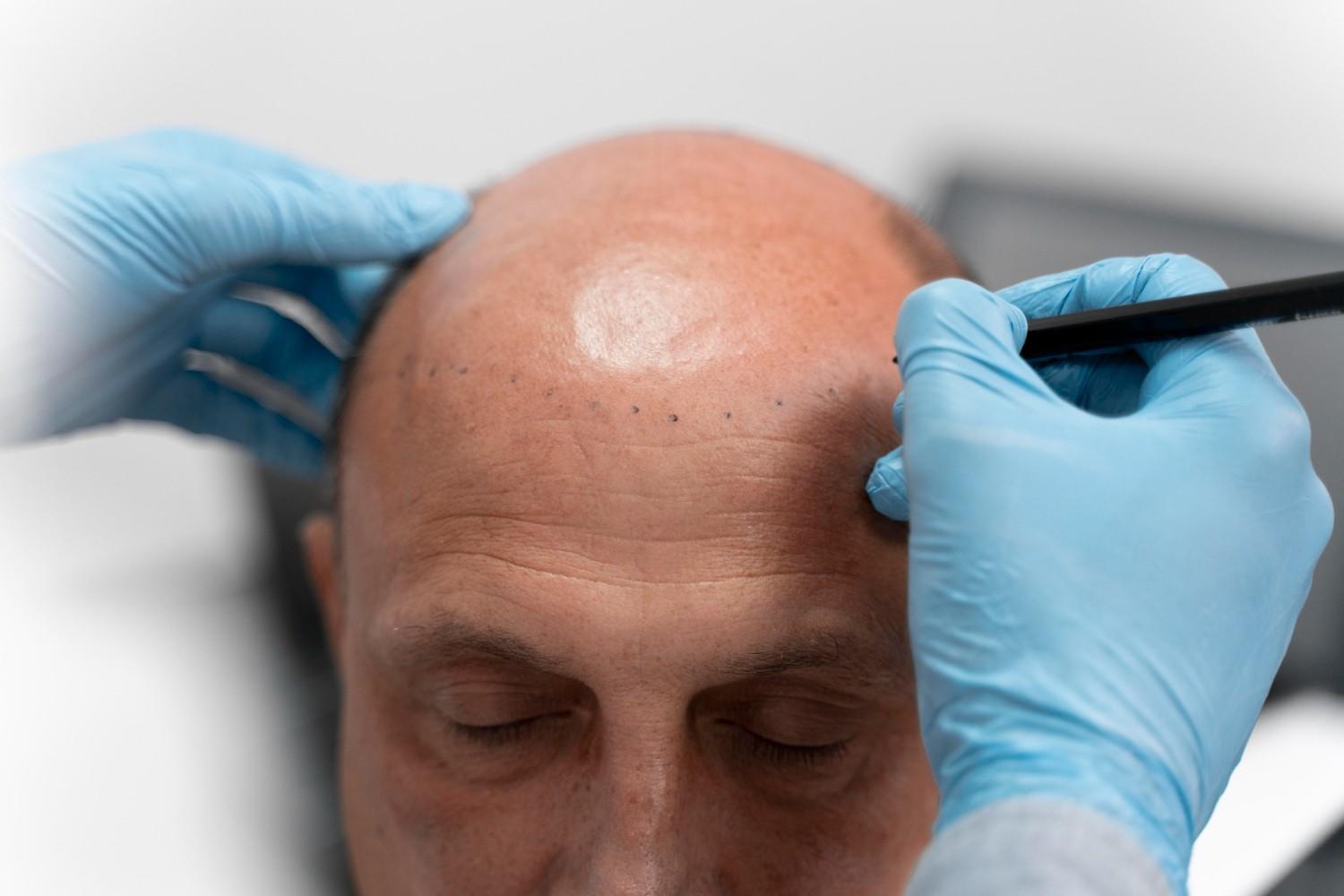
Selecting the right provider requires following a hair transplant clinic NYC selection guide that includes confirming the surgeon’s board certification in hair restoration, reviewing consistent before-and-after results, and ensuring expertise in your hair loss type such as AGA, alopecia, or traction. Choose clinics offering FUE and FUT, using techniques, and ensure the doctor performs graft-cutting steps.
At Hair Transplant New York, patients receive personalized consultations, detailed hair loss assessments, and clear guidance on technique options. The team focuses on natural results, transparent pricing, and thorough aftercare support to help individuals make confident treatment decisions in NYC.
Understand Your Hair Loss Type First In A Hair Transplant Clinic NYC Selection Guide
What Causes Hair Loss?
Hair can fall out for many reasons. Some hair loss causes include stress, illness, tight hairstyles, hormones, or family history. For example, male pattern baldness often starts with a receding hairline or thinning at the crown.
How Different Types Look
Hair loss does not look the same for everyone. Some people lose hair slowly over time. Others notice sudden patches or heavy shedding. Alopecia can cause small bald spots. Meanwhile, genetic hair loss often follows a clear pattern. Understanding how your hair loss looks helps doctors decide what will work best.
Why A Clinical Diagnosis Matters
A doctor must check your scalp before any treatment. They look at your hair roots, your health history, and your family history. This step matters because guessing can lead to the wrong plan. A proper exam also helps when using a hair transplant clinic NYC selection guide, since the right clinic should explain your diagnosis clearly before suggesting surgery.
Start With a Comprehensive Consultation
What Happens During The Visit
A consultation is your first real talk with the doctor. They look at your scalp, check your hair thickness, and ask about your health. They may take photos to track progress later. Then they explain your options in simple terms so you understand what can help and what cannot.
What You Should Bring And Ask
You should bring your medical history, a list of medicines, and photos of your past hair. You can also share your goals and worries. Ask about treatment choices, healing time, and cost. Clear questions help the doctor give clear answers.
Why A Detailed Talk Matters
A detailed visit helps the doctor create a plan just for you. Everyone’s hair is different, so one plan does not fit all. This step also fits into a hair transplant clinic NYC selection guide because a good clinic always explains your options before moving forward.
Evaluate Surgeon Expertise And Credentials
Check Board Certifications And Training
You should always check if the doctor has board certification and special training in hair restoration. This proves they studied hair surgery and passed exams. For example, Dr. Lawrence Barnard is a board certified hair restoration physician with training in FUE and FUT. Strong education helps protect your scalp and improve results.
Look At Years Of Experience
Experience matters because every person loses hair in a different way. A provider who has treated many cases understands thinning, receding hairlines, and crown loss. Rhonda Daniels, PA-C has deep experience in FUE and hybrid procedures. Years of hands-on work help create natural hairlines and steady growth.
Make Sure The Surgeon Is Hands On
You should ask who performs the key steps during surgery. Some clinics allow technicians to do most of the work. However, direct medical supervision improves safety and accuracy. Marcelo Acosta, PA-C brings many years of surgical experience and patient care. A trusted hair transplant clinic NYC selection guide will also stress that strong doctor involvement leads to better outcomes.
Hair Transplant Techniques And Technology Offered
Common Hair Transplant Methods
Doctors use different ways to move hair from one area to another. Follicular Unit Extraction (FUE) removes single hair grafts one by one. Follicular Unit Transplantation (FUT) removes a small strip of scalp and then separates it into grafts. Each method works in a different way, so the doctor must choose carefully.
Matching The Right Method To Your Hair
Your hair type and hair loss pattern help guide the choice. Thick hair may work well with one method, while advanced bald spots may need another. Straight hair, curly hair, or thin hair all grow differently. A smart hair transplant clinic NYC selection guide explains that doctors must study your scalp before choosing the best plan.
Technology And Facility Standards
Modern clinics use updated tools and clean surgical rooms. Good lighting, sterile equipment, and trained staff help keep you safe. Advanced systems can improve precision and comfort. Because of this, you should always check if the clinic uses up to date technology.
Advanced FUE Systems
- WAW FUE System: Uses sharp punches to remove grafts gently. This helps lower damage to hair roots.
- ATERA FUE: Uses vibration to help remove grafts smoothly. It can reduce strain during the procedure.
- Cole FUE System: Focuses on precise graft removal. It helps protect hair follicles.
- Ellis FUE System: Supports steady and accurate extraction. This helps improve graft survival.
Review Before And After Results
How To Study Before And After Photos
You should look at clear photos taken in the same light and angle. The hairline should look natural, not straight like a ruler. Zoom in to see if the hair grows in the right direction. Real results show both close up and full head views.
What Good Results Look Like
Good results look soft and even. The hair blends well with the old hair. The hairline fits the person’s age and face shape. Growth should look steady, not patchy. A trusted hair transplant clinic NYC selection guide will remind you that natural results matter more than fast results.
Red Flags To Watch For
You should avoid blurry photos or pictures with heavy filters. Be careful if you only see one or two examples. Watch for hairlines that look too low or too thick. These signs can mean poor planning or weak technique.
Check Patient Reviews And Testimonials
Why Real Feedback Matters
Real patient stories help you see what the clinic is truly like. People share how they felt before, during, and after surgery. Honest reviews can show if the staff is kind and if results look natural. Because of this, reviews help you make a smart choice.
How To Find Honest Reviews
You should look at trusted review sites and not just the clinic’s website. Read both good and bad comments to see patterns. Reviews that explain details often feel more real. A hair transplant clinic NYC selection guide will remind you to compare feedback from different sources.
Look Beyond Star Ratings
Do not focus only on five stars. Instead, read what patients say about healing time, pain, and results. Notice if the clinic responds to concerns. Clear answers and steady results matter more than a simple rating number.
Consider Cost, Transparency, And Aftercare
What Hair Transplants Cost In NYC
Hair transplant prices in NYC can vary a lot. Most people pay several thousand dollars, depending on how much hair they need. The price often depends on the number of grafts and the method used. Because of this, you should always ask for a clear quote before you agree to surgery.
What Should Be Included
The full cost should include your first exam, the surgery, and follow up visits. It should also cover medicine and basic aftercare instructions. A clear hair transplant clinic NYC selection guide will explain that honest clinics show you what is included and what is not. This helps you avoid surprise fees.
What To Expect After Surgery
After surgery, the clinic should guide you step by step. They should explain how to wash your hair and protect your scalp. You should also know when to return for checkups. Good aftercare helps your new hair grow strong and healthy.
Ready To Choose The Right Hair Clinic In NYC?
Follow a trusted hair transplant clinic NYC selection guide and make a smart decision today. Contact Hair Transplants New York to schedule your private consultation. Call (646) 503-1635 now and take the first step toward natural looking results.
FAQs
1. How do I know if I am a good candidate for a hair transplant?
A doctor will check your scalp, hair thickness, and health history. If you have enough donor hair and stable hair loss, you may qualify. A consultation gives you the best answer.
2. What is the difference between FUE and FUT?
FUE removes hair grafts one by one. FUT removes a small strip of scalp and divides it into grafts. Both methods move healthy hair to thin areas.
3. How long does it take to see results?
Most people see new growth in three to four months. Full results usually appear in nine to twelve months. Hair grows slowly, so patience is important.
4. Is a hair transplant painful?
Doctors use local anesthesia to numb your scalp. You may feel mild pressure, but not sharp pain. After surgery, soreness is usually mild and temporary.
5. How much does a hair transplant cost in NYC?
The cost depends on how many grafts you need and the method used. Most procedures cost several thousand dollars. A consultation will give you an exact price.