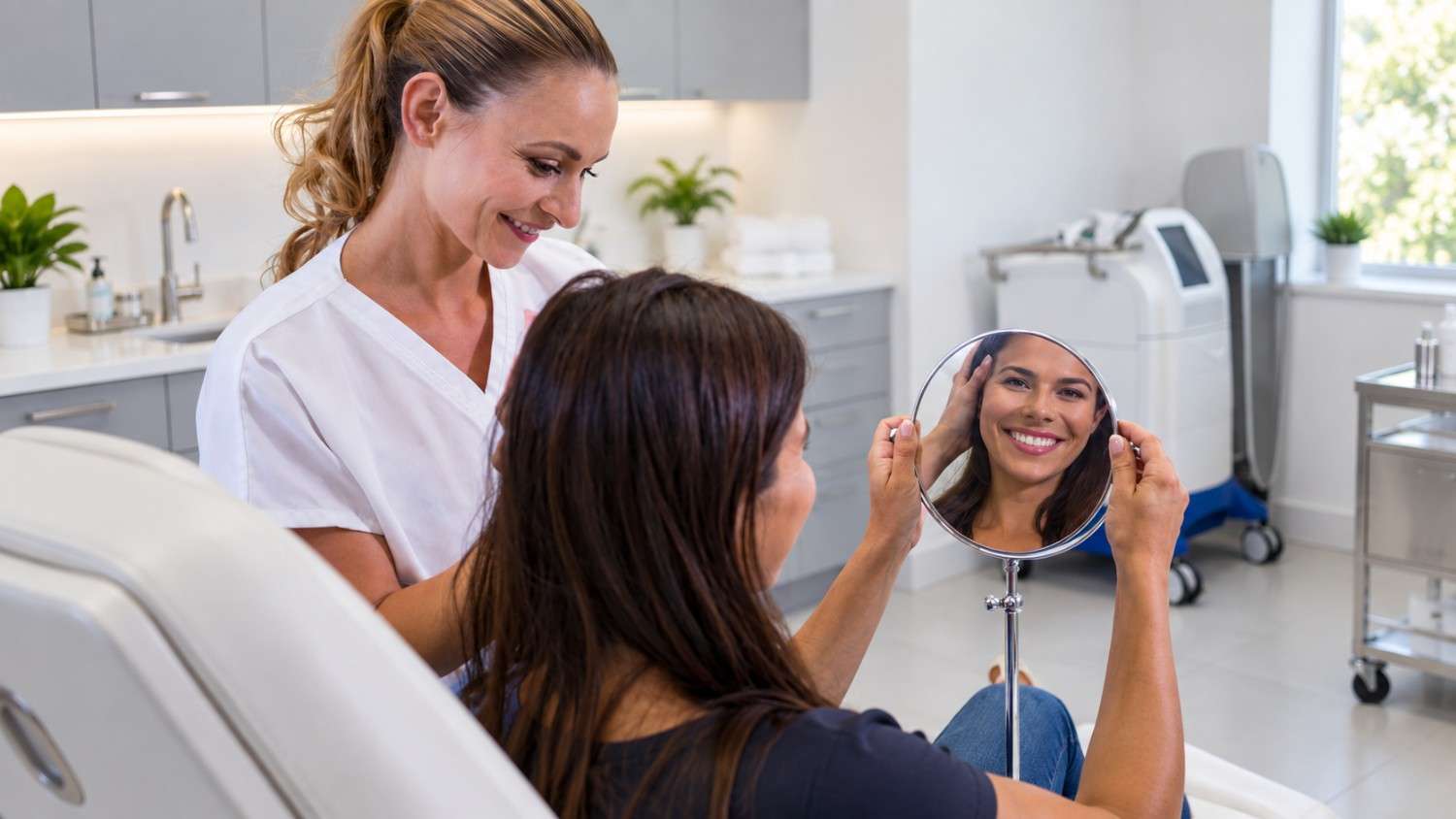
Women can explore female hair restoration options that include surgical care and non-surgical treatments made for their unique needs, hair loss patterns, and goals.
Hair Transplant New York starts with a full check of your scalp, health, and hair loss. Our team then explains which treatment may fit your needs.
What Causes Hair Loss in Women?
Women can lose hair for many reasons. Some causes are short-term, while others need long-term care. A health check can help find the cause before treatment starts.
- Female pattern hair loss: This type often runs in families. It can make the part look wider and the hair feel thin. The right female hair restoration options depend on the amount and pattern of thinning.
- Hormonal changes: Hormones help control how hair grows. A change in hormone levels can cause hair loss in women at different stages of life.
- Pregnancy and menopause: Some women shed more hair after giving birth. Menopause can also make hair thin because hormone levels change. The hair may grow back, but the speed can vary.
- Thyroid problems: The thyroid helps control many parts of the body. An active or slow thyroid can affect the hair cycle. A blood test may help find this problem.
- Low iron or poor nutrition: Hair needs iron, protein, and other key nutrients. Low levels can make hair weak or cause more shedding. A doctor can check for low levels before suggesting pills.
Other Causes of Hair Loss in Women
- Stress or illness: Strong stress, a high fever, surgery, or a major illness can push more hair into its shedding stage. These causes of hair loss may appear weeks or months after the event.
- Autoimmune conditions: The immune system may attack healthy hair roots by mistake. This problem can cause smooth, round bald spots. It may also affect other parts of the body.
- Tight hairstyles: Braids, buns, or ponytails can pull on the hair roots. This pull can damage them over time. Loose styles can help lower the strain.
- Certain medicines: Some medicines can cause hair shedding as a side effect. A patient should speak with a doctor before stopping any medicine.
- Scalp conditions: Dandruff, infection, swelling, or scars can harm the scalp. These problems may cause itching, flakes, pain, or hair loss.
What Are the Early Signs of Female Hair Loss?
Hair loss may start with small changes. You may notice less hair, weak strands, or more of your scalp. Spotting these signs early can help you seek proper care.
Changes in Hair Fullness
Your center part may look wider, and your ponytail may feel smaller. You may also see more scalp around the crown. The right female hair restoration options depend on the cause and level of thinning.
More Shedding and Weak Growth
You may find more hair on your brush, pillow, or shower floor. Your hair may also grow slowly or break with ease. A provider can suggest suitable hair loss treatments for women after checking your scalp and health.
Patchy or Uneven Hair Loss
The hair near your temples may become thin. You may also notice round or uneven bald spots. Seek an assessment if the loss becomes sudden, painful, patchy, or severe. A provider can find the cause and explain the next steps.
Non-Surgical Hair Restoration Options for Women
Topical Treatments
Topical minoxidil goes on the scalp. Minoxidil for hair loss may help support weak hair roots when used as directed. Regular use matters because stopping may affect the results. Each person may respond in a different way, so medical advice may be needed.
Oral Medicines
A provider may consider oral medicine after checking your health. The choice depends on the cause, health history, hormone levels, and other medicine use. Some female hair restoration options may not suit each patient. Never start or stop a medicine without medical advice.
Other Scalp and Cosmetic Options
- Platelet-rich plasma therapy: A provider takes a small amount of blood and separates the plasma. The provider then places it into parts of the scalp. Platelet-rich plasma for hair loss may support weak hair roots, but it cannot promise new growth.
- Low-level light therapy: A cap, comb, or other device sends low-level light to the scalp. The light may support hair roots that still work. Results and treatment needs vary by person.
- Microneedling: A provider uses tiny needles to make small points in the scalp. This controlled treatment may form part of a wider care plan. It may not suit sore, infected, or damaged skin.
- Scalp micropigmentation: This treatment places small dots of color on the scalp. Scalp micropigmentation can make thin areas look more full. It does not grow hair or create new hair roots.
FUE vs. FUT: What Is the Difference?
FUE and FUT move healthy hair roots from one part of the scalp to another. Both methods can add hair to thin areas. The main difference is how the provider removes the hair roots.
How Does FUE Work?
A provider removes one hair root group at a time. An FUE hair transplant in New York may leave small marks across the donor area. Some patients may need to trim part of their hair before treatment.
How Does FUT Work?
A provider removes a thin strip of skin from the donor area. A FUT hair transplant in New York leaves one line-shaped scar. Longer hair can often help cover this scar.
| Factor | FUE | FUT |
| Follicle removal | Removes single follicle groups | Removes a thin donor strip |
| Type of scar | Small marks in many spots | One line-shaped scar |
| Hair trimming | May be needed | May be limited |
| Recovery | Depends on the treatment size | Includes healing of the strip area |
| Graft needs | Depends on the donor hair supply | May suit a larger graft session |
| Best choice | Based on a full assessment | Based on a full assessment |
Which Method May Suit You?
A provider must check your scalp, donor hair, loss pattern, health, and goals. The right female hair restoration options can differ for each patient. Neither method is best for every woman, however, because each scalp and hair loss pattern is different.
Why Choose Us?
If you want to know why we chose us, start with our clear and personal care. At Hair Transplants New York, we take time to learn about your hair loss and goals. Our experienced hair restoration team gives you clear facts about each treatment.
A Personal Hair and Scalp Check
We check your scalp, hair loss pattern, and donor area. We also ask about your health and past care. Our female hair restoration options depend on what we find during this full check.
Meet Our Hair Restoration Team
Our team includes Dr. Lawrence Barnard, Rhonda Daniels, PA-C, and Marcelo Acosta, PA-C. Each team member brings training and hands-on skill to patient care. We explain each choice in simple terms, so you know what to expect.
What We Review Before Suggesting Care
- Hair loss pattern: We check where your hair looks thin and how the loss has changed.
- Donor area: We look at the amount and strength of hair in the donor site.
- Health history: We review health issues, past treatments, and medicines that may affect your hair.
- Personal goals: We ask what changes you hope to see from care.
- Treatment needs: We explain the possible benefits, limits, risks, and care steps.
No single choice suits every patient. We build each care plan around your needs, health, and goals. This step, however, requires a full assessment before we suggest treatment.
Ready to Explore Your Hair Care Options?
Hair Transplants New York can help you learn about female hair restoration options based on your needs and goals. Call us at (646) 503-1635 to book a personal hair and scalp assessment with our team.
FAQs
1. What causes hair loss in women?
Genes, hormone changes, stress, illness, low iron, tight styles, and scalp problems can cause hair loss. A full check can help find the cause.
2. What are the main female hair restoration options?
Options may include topical care, oral medicine, PRP, light therapy, scalp micropigmentation, FUE, and FUT. The right choice depends on your needs.
3. How do I know which treatment may suit me?
A provider must check your scalp, hair loss pattern, donor hair, health, and goals. This check helps guide a safe care plan.
4. Can non-surgical treatment grow hair back?
Results differ for each person. Some treatments may support weak hair roots or improve the look of thin areas. No treatment can promise new growth.
5. Are FUE and FUT suitable for every woman?
No. Both methods need healthy donor hair and a stable hair loss pattern. A provider must assess your scalp before suggesting either method.