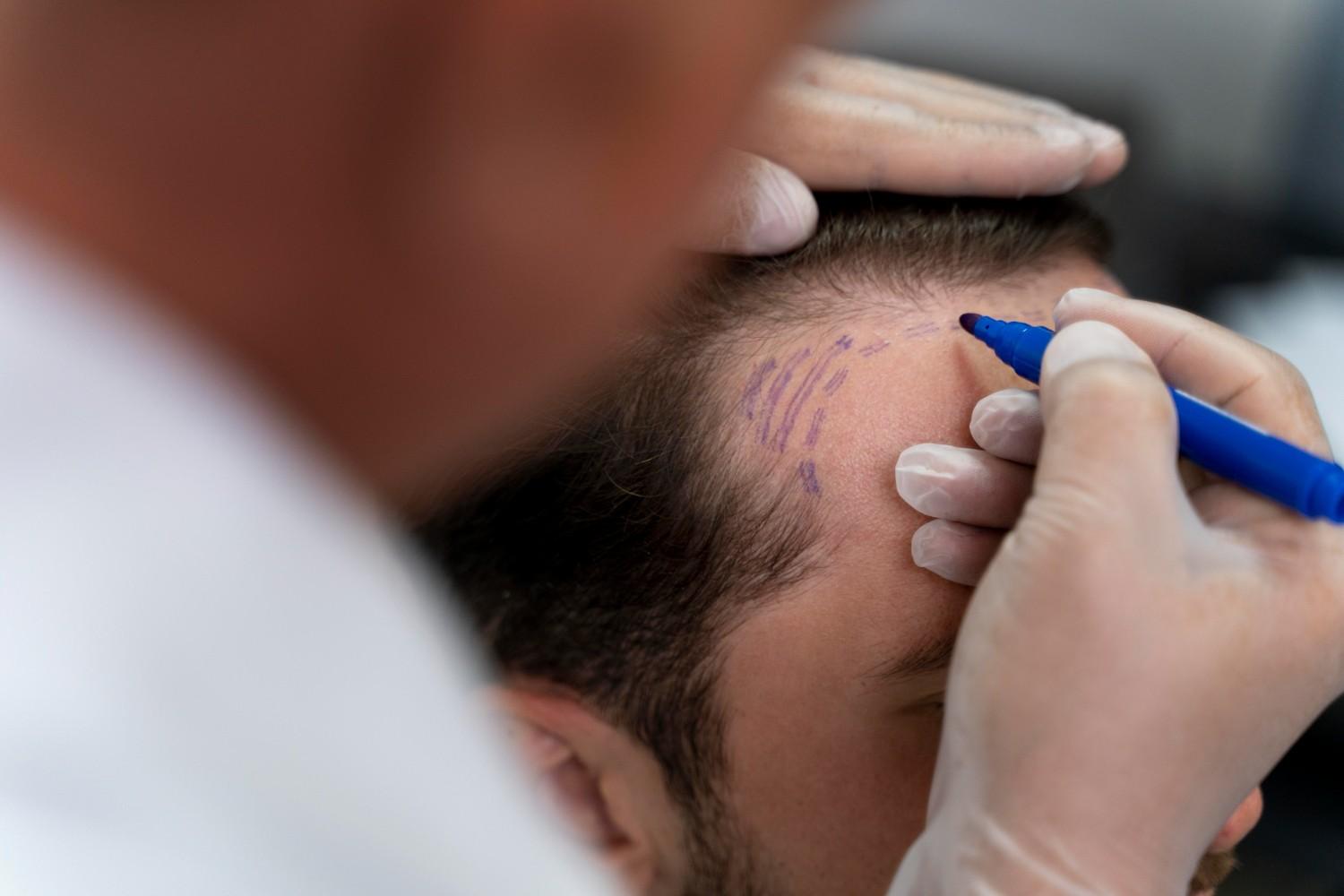
New York provides effective advanced hair loss solutions for severe hair loss, focusing on high-density Follicular Unit Extraction (FUE) and Follicular Unit Transplantation (FUT/strip method) to restore full hairlines. Top NYC specialists combine these techniques, often requiring 5,000–7,000+ grafts across two sessions for extensive, advanced loss.
Many people searching for advanced hair restoration options choose experienced clinics that provide modern procedures and personalized care. Hair Transplant New York offers consultations that help individuals understand treatment options and create a plan for restoring fuller, natural-looking hair.
Understanding Advanced Hair Loss
What Advanced Hair Loss Means?
Advanced hair loss happens when a person loses a large amount of hair on the scalp. The hairline may move far back, and the crown may look very thin. As time passes, these bald areas can grow bigger. Doctors often suggest advanced hair loss solutions when regular treatments no longer give strong results.
Norwood 6 And Norwood 7 Stages
The Norwood scale helps doctors explain how much hair a person has lost. In stage 6, the hair on the top of the head is mostly gone. Only hair on the sides and back usually remains. In stage 7, the bald area becomes larger, so the hair forms a narrow band around the head.
Why Regular Treatments May Not Work?
Basic treatments may slow hair loss, yet they may not regrow enough hair in large bald areas. The reason is that fewer healthy hair roots remain in the scalp. Doctors also study hair loss causes to understand why the hair stopped growing.
Hair Loss Can Affect Different People
Hair loss does not only affect men. Many people also talk about hair loss in women, which can cause thinning across the scalp. However, doctors use different treatment plans based on the person’s hair pattern and scalp condition.
Why Advanced Hair Loss Requires Specialized Treatment?
Severe hair loss needs careful planning. Doctors must study the scalp before they start treatment. This step helps them choose the safest and most helpful method.
- Large Balding Areas: Some people lose hair across a wide part of the head. Doctors must plan how to cover these big areas in a natural way. This careful work often becomes part of advanced hair loss solutions.
- Donor Hair Management: Doctors take healthy hair from the back or sides of the head. They must protect this area because the donor hair supply is limited. Good planning helps the doctor use each healthy hair root wisely.
- Graft Density Planning: Doctors decide how close the new hairs should grow. They place grafts in the right spots so the hair looks full and natural. This careful spacing also helps the scalp heal well.
Follicular Unit Transplantation (FUT) For Advanced Hair Loss Solutions
Donor Strip Removal
Doctors perform this method by removing a thin strip of skin from the back of the head. This area holds strong hair that usually keeps growing. After that, the team carefully divides the strip into tiny hair grafts. Doctors often include this method in advanced hair loss solutions because it helps restore large bald areas.
High Graft Yield
This method allows doctors to collect many hair grafts in one session. The medical team separates the donor strip into hundreds or even thousands of small grafts. Each graft holds one or more healthy hair roots. Many people look for a FUT hair transplant in New York when they need a large number of grafts.
Benefits For Large Balding Areas
Doctors place the prepared grafts into thin or bald parts of the scalp. This step helps cover large areas with natural-looking hair. As the hair grows, the scalp slowly looks fuller and thicker. This method works well when a person has wide bald spots on the top of the head.
Follicular Unit Extraction (FUE) For Advanced Hair Loss Solutions
FUE is one of the modern advanced hair loss solutions doctors use to restore natural hair growth. This method moves healthy hair roots to areas where hair has become thin. Doctors perform the procedure carefully so the new hair looks natural and blends well with existing hair.
How FUE Hair Restoration Works?
- Individual Follicle Extraction: Doctors remove hair roots one by one from the back or sides of the head. Each tiny hair unit contains one to three hairs. Later, the doctor places these healthy roots into thin or bald areas.
- Minimal Scarring: This method uses very small tools to remove each hair root. The tiny openings heal quickly after the procedure. Because of this careful work, the scalp usually shows very little scarring.
- Ideal For Short Hairstyles: Many people like this method because it does not leave a long scar. Small marks become hard to see once the scalp heals. Many people choose a FUE hair transplant in New York when they want natural results and short hairstyles.
How Many Grafts Are Needed For Severe Hair Loss?
Doctors study the scalp before they plan a hair procedure. They check how large the bald area is and how much donor hair is available. This careful planning helps doctors choose the right number of grafts for advanced hair loss solutions.
Around 3000 Grafts
Some people lose hair across the front of the head and part of the crown. Doctors may place about 3000 grafts to rebuild the hairline and add more coverage. This number often works when the bald area is medium in size.
Around 5000 Grafts
Larger bald spots may need about 5000 grafts. Doctors spread these grafts across the hairline and crown. This step helps the hair look fuller and more natural over time.
Around 7000 Grafts
Very large bald areas may need close to 7000 grafts. Doctors place many small grafts across the scalp to improve coverage. This approach helps restore more hair in advanced hair loss cases.
Multiple Treatment Sessions
Sometimes doctors cannot place all grafts in one visit. The scalp needs time to heal between procedures. Because of this, some people complete their hair restoration through two or more treatment sessions.
Complementary Treatments That Improve Results
Doctors sometimes use extra treatments to help hair grow better after surgery. These treatments support scalp healing and strengthen weak hair roots. Many doctors include these methods when planning advanced hair loss solutions.
PRP Hair Therapy
Doctors use a treatment called PRP for hair restoration to help the scalp heal and grow stronger hair. First, they take a small amount of blood from the patient. Then they process the blood and inject the helpful part into the scalp. This step may help improve hair growth.
PRF Therapy
PRP therapy works in a way similar to PRP treatment. Doctors take a small blood sample and prepare it for scalp injections. The treatment slowly releases growth factors that support healthy hair roots.
Scalp Health Treatments
Doctors also focus on keeping the scalp healthy. A clean and healthy scalp helps hair grow stronger. Simple care steps and medical treatments may support better hair growth over time.
Scalp Reduction Surgery
Sometimes doctors remove a small part of the bald scalp. Then they stretch the hair-bearing scalp to cover the area. This method can reduce the size of bald spots and improve overall hair coverage.
Benefits Of Modern Advanced Hair Loss Solutions
Modern hair treatments help many people restore their hair in a safe way. Doctors now use better tools and careful planning to improve results. Because of this progress, many patients see natural and long-lasting improvements.
Natural Hairline Results
Doctors design the hairline so it looks soft and natural. They place each graft at the right angle and direction. Dr. Lawrence Barnard carefully studies the scalp before placing the new hair.
Improved Hair Density
Doctors place many small grafts across the scalp to make the hair look thicker. This step helps fill thin areas with healthy hair roots. Many clinics use this method when providing advanced hair loss solutions.
Minimal Downtime
Many people return to normal activities after only a few days. Doctors use careful techniques that help the scalp heal faster. Marcelo Acosta, PA-C supports patients during treatment and recovery.
Long Lasting Outcomes
Transplanted hair usually keeps growing for many years. Healthy donor hair continues to grow in the new area. Clinician Rhonda Daniels, PA-C helps guide patients through follow-up care to support strong hair growth.
Ready To Restore Your Hair With Expert Care?
Explore effective advanced hair loss solutions designed to help restore fuller hair and confidence. The team at Hair Transplant New York provides personalized care and modern restoration methods. Schedule your consultation today to learn which treatment may work best for you.
FAQs
1. What are advanced hair loss solutions?
Advanced hair loss solutions are medical treatments used to restore hair in areas with severe thinning or baldness. Doctors often use methods like FUT or FUE to move healthy hair roots to bald areas.
2. How do doctors treat severe hair loss?
Doctors examine the scalp, check donor hair, and plan the best procedure. They may use hair transplant surgery and supportive treatments to restore natural hair growth.
3. How many grafts may be needed for severe hair loss?
The number of grafts depends on the size of the bald area. Some people may need around 3,000 grafts, while others may require 5,000 to 7,000 grafts for fuller coverage.
4. How long does it take to see hair growth after a transplant?
Most people begin to see new hair growth in about three to four months. Full results often appear within nine to twelve months as the hair continues to grow.
5. Who is a good candidate for hair restoration surgery?
A good candidate usually has stable hair loss and enough healthy donor hair. A consultation with a hair restoration specialist helps determine the best treatment plan.